Updated November 2, 2026 · reading data through October 2026
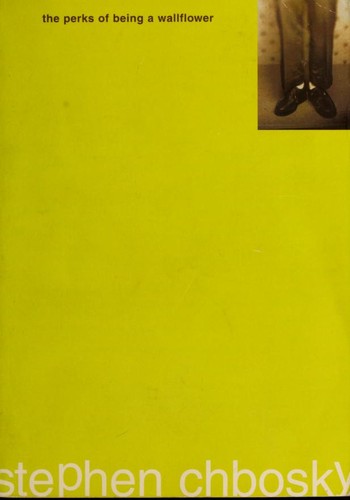
The Perks of Being a Wallflower
by Stephen Chbosky
★ Top 5 book of 1999 · #3 on Best Books of 1999
A shy freshman writes letters about friendship, first love, and hard truths as he finds his place in high school. Honest, tender, and with heavy themes. Read the full description
Best for: Older teens and adults, check content notes
The Perks of Being a Wallflower is #91 on BookWard's Top 100 books for November 2026, with a BookWard Score of 47 out of 100. It climbed 7 places from #98 last month.
BookWard review of The Perks of Being a Wallflower
4 of 5 stars 4.2 out of 5, from 115 reader ratings
BookWard rates The Perks of Being a Wallflower 4.2 out of 5. That is the average of 115 reader ratings on Open Library (4.24), adjusted toward the typical book so that a small number of ratings cannot inflate it. Beyond the rating, it is #91 on BookWard's Top 100 books; 2,571 readers want to read it, 142 are reading it right now and 267 have finished it. Its adjusted rating is higher than 74% of the books on the Top 100.
How this rating works
BookWard’s rating is calculated, not hand-scored. We take the average rating readers have given the book on Open Library and adjust it toward the typical book: adjusted = (n × average + 25 × 3.8) ÷ (n + 25), where n is the number of ratings. A book needs at least 50 ratings to be rated. The rating reflects how readers received the book, not whether it is right for you. Your own ratings on your shelf are private and are not part of this number.
The Perks of Being a Wallflower: reading interest over the past 12 months
Sources: Open Library’s public reading-log and ratings data (dump of 2026-10-31), Wikipedia page views and Wikidata. Monthly counts are exact; they show relative interest among readers of these public sources, not total readership.
Ranked against the other books on this list, The Perks of Being a Wallflower’s reading interest has run from #65 to #94 over these 12 months. Interest rank blends shelf adds, Wikipedia page views and rating activity, each compared with the other 99 books that month.
Shelf adds by month
The Perks of Being a Wallflower was added to Open Library readers’ shelves 364 times in the past 12 months, peaking in November 2025 with 51 (68% above its monthly average of 30). Over the latest three months (Aug 2026 to Oct 2026) shelf adds were up 25% on the three months before. 90% of the adds were “want to read”, 3% “currently reading” and 6% “already read”.
Want to read Currently reading Already read
Wikipedia page views
Its Wikipedia article was viewed 270,799 times in the past 12 months, peaking in November 2025 with 29,022 views. The latest three months were up 2% on the three before.
Source: Wikimedia monthly page views for the article The Perks of Being a Wallflower.
Adaptations
- The Perks of Being a Wallflower (film), 2012
Adaptations are listed from Wikidata; a release date near a rise in the charts above is context, not proof of a cause.
What the data says about The Perks of Being a Wallflower
- Moderate swings. Monthly shelf adds averaged 30 with some ups and downs.
- Busiest and quietest months. November 2025 was its busiest month (51 adds), about 3.9 times its quietest, August 2026 (13).
- Attention and shelf adds move independently. Its Wikipedia views and its shelf adds did not rise and fall together over these 12 months (correlation -0.05).
- Against its genre. It had 43% fewer shelf adds than the average Young adult book on this list.
- Share of the list. It accounts for 0.4% of all shelf adds recorded for the Top 100 over these 12 months, #87 of 100.
- Its age. First published in 1999 (27 years ago), it is older than 58% of the books on the list.
Each finding is computed from the public data above and shown only when the numbers support it.
The Perks of Being a Wallflower on the Top 100: rank history
| Month | Rank | Score |
|---|---|---|
| November 2026 | #91 | 47 |
| October 2026 | #98 | 46 |
| September 2026 | #99 | 48 |
Is The Perks of Being a Wallflower rising or falling?
Cooling It ranks lower this week than over the past year, so interest is softening from its recent level.
On Open Library, The Perks of Being a Wallflower ranks #171 this week, #190 this month, and #161 over the past year. A longer bar means a higher position. Comparing the three windows shows whether readers are arriving faster than the book's long-term pace. Readings as of 2026-11-02.
Why The Perks of Being a Wallflower made the Top 100
The Perks of Being a Wallflower made the list mainly on reader love (+15.9 points) and momentum (+12.8 points). Its smallest contribution is rising (+0). The BookWard Score blends five public signals, each scored from 0 to 100 and weighted as shown.
The reading-now, rating and rank signals come from Open Library’s public data, not from BookWard’s own readers. The score measures reading interest, not quality or sales. How the score works.
Open Library reader stats for The Perks of Being a Wallflower
Source: Open Library public reading logs, as of 2026-11-02. BookWard’s own monthly snapshots are added to the picture, and anonymous BookWard reader data will be layered in as the community grows.
More readers have The Perks of Being a Wallflower open right now than 12% of the other books on this list. These counts come from one public source, so they show relative interest rather than total readership.
Where it sits among Young adult books
It is #11 of the 12 Young adult books on this month’s list.
About The Perks of Being a Wallflower
What it’s about
Charlie is fifteen, shy and watchful, and starting high school in a Pittsburgh suburb in the early 1990s. The novel is told through his letters to an unnamed person he calls 'Dear Friend'. He is carrying grief over the suicide of his only friend from middle school and the death of a beloved aunt, so when two seniors, Patrick and Sam, take him in, it matters enormously. An English teacher who hands him extra books to read helps too. What follows is a story of first love, friendship and the ache of trying to belong, told in an earnest, confessional voice. It deals with sexuality, drug use, sexual abuse and mental health. It will speak most to teenagers and to adults who remember being one.
At a glance
- First published
- 1999-02-01
- Genre
- Young adult
- Also described as
- epistolary fiction, coming-of-age fiction, young adult fiction
- Length
- about 231 pages (the median across its editions)
- Original language
- English
- Languages
- editions in 11 languages listed on Open Library
- Editions
- 51 on Open Library
- Setting
- Pittsburgh
- Characters listed
- The Smiths, Charlie, Patrick, Sam, Craig
From Open Library and Wikidata public records. Missing rows mean the records do not list that fact.
Themes
- Friendship
- Mental health
- Coming of age
What reading it is like
Told in letters. Vulnerable and candid.
At about 231 pages it is a medium-length read: roughly 5 hours at an average reading pace (about 250 words a minute, 300 words a page). Audiobook and edition lengths vary.
Good to know
Contains abuse, sexuality and drug use, and is frequently challenged.
The premise
Charlie, a shy freshman, writes letters about friends, first love, and secrets he struggles to face. The book covers heavy topics with honesty and warmth.
What you’ll get
- A heartfelt coming-of-age story
- Letters as a format
- A cult favorite for teens
You might skip it if you find stories about trauma difficult.
Pairs well with: The Outsiders · The Fault in Our Stars
Keep exploring the chart
Also on the chart at #90 and #92
The Perks of Being a Wallflower on the Best Books of 1999
The Perks of Being a Wallflower came out in 1999. Of the 52 books first published in 1999 that met BookWard's data bar, it ranks #3 on our Best Books of 1999 list.
Why it made the list: 2,942 readers have shelved it on Open Library; readers rate it 4.2 out of 5 (112 ratings); 142 are reading it right now. The list ranks each year’s books on how many readers have picked them up, how highly readers rate them, and how many are reading them right now.
It earns Reader favorite and being read right now.
Nearby on the 1999 list
- Harry Potter and the Prisoner of Azkaban J. K. Rowling, #1
- Wings of Fire A. P. J. Abdul Kalam, #2
- On Writing Stephen King, #4
- The Bad Beginning Lemony Snicket, #5
See all Best Books of 1999 Best books by year
More years: Best Books of 1998 Best Books of 2000.
Questions about The Perks of Being a Wallflower
What rank is The Perks of Being a Wallflower on the Top 100 books?
The Perks of Being a Wallflower is #91 on BookWard's Top 100 books for November 2026, with a BookWard Score of 47 out of 100. It climbed 7 places from #98 last month.
Is The Perks of Being a Wallflower rising or falling?
Cooling. It ranks lower this week than over the past year, so interest is softening from its recent level. On Open Library, The Perks of Being a Wallflower ranks #171 this week, #190 this month, and #161 over the past year.
Why is The Perks of Being a Wallflower on the Top 100?
The Perks of Being a Wallflower made the list mainly on reader love (+15.9 points) and momentum (+12.8 points). Its smallest contribution is rising (+0).
How many people are reading The Perks of Being a Wallflower right now?
Open Library's reading logs show 142 readers currently reading The Perks of Being a Wallflower, 2,571 who want to read it and 267 who have logged it as read (as of 2026-11-02). These are counts from one public source, not all readers.
How much interest has The Perks of Being a Wallflower had over the past year?
364 Open Library shelf adds in the past 12 months (peak November 2025, 51); latest three months up 25% on the prior three; 270,799 Wikipedia views in the past 12 months (up 2% over the latest three months); Adaptations on Wikidata: The Perks of Being a Wallflower (2012). Figures come from Open Library and Wikipedia public data.
Who is The Perks of Being a Wallflower best for?
Older teens and adults, check content notes.
Ask a question about The Perks of Being a Wallflower
Ask about this book's chart history, reading interest, or who it is for. Answers come from this page's data and can be wrong.
Answers are AI-written from BookWard’s own help content and can be wrong. Please do not share personal information: questions and answers may be saved and, if they are useful, shown on this site without your name.
How we know
This page is built from public data: Open Library’s dated reading-log and ratings dumps, Wikipedia page views, Wikidata, and BookWard’s own monthly Top 100 snapshots. The interest rank blends shelf adds (45%), Wikipedia page views (30%), rating activity (10%) and, for months where a snapshot exists, BookWard’s own score (15%), each as a percentile among the Top 100 books. Every month shown is real data; nothing is estimated. Rankings reflect reading interest, not quality or sales, and can be affected by data gaps. Last updated November 2026. Read the full methodology.
It suits older teens and adults who want an honest, accessible story about adolescence.
231 pages, about 3.5 to 5.5 hours.
Letters from a quiet freshman, tender and unflinching. 59% taste match
 BookWard’s take
Letters from a quiet freshman, tender and unflinching
Charlie writes letters to an unnamed "Dear Friend" across his freshman year in a Pittsburgh suburb, and the form does the work: close, confiding, never far from the next scene. Its great strength is character depth and the originality of its voice, since Charlie's odd, earnest way of seeing things is the whole book. At 231 pages it is short, and the pace stays brisk because each letter moves on quickly. Where it is less sure-footed is in its sentiment and its familiar tropes. It is openly tender and does not hold its feelings at arm's length, which some readers will find moving and others a little much, and it handles well-worn teenage-novel territory less freshly than its voice does. The ending resolves more than it leaves open. It deals with heavy subjects, and does so with care.
At 231 pages told in short letters, it is compact, and BookWard likes that economy.
Short letters keep scenes moving, so the book reads fast without feeling rushed.
The epistolary voice stands out, even if the shape of the story is well worn.
The writing is plain and conversational, deliberately unadorned.
What matters is Charlie's inner change, not the events that surround it.
It faces dark things yet leans toward connection and healing.
The letters to "Dear Friend" give it a distinctive shape, though the year unfolds in order.
There is gentle humor in Charlie's observations, but the tone stays mostly earnest.
It addresses abuse, drug use, and mental health, which pushes it toward dark.
Feelings run high throughout, and the letters make them feel immediate.
See all 50 dialsEvery position, side by side with this book
Where it lines up
- Character depthBookWard 8 · book 8
- Authorial voiceBookWard 9 · book 9
- Story or ideasBookWard 3 · book 3
Where it pulls apart
- Familiar tropesBookWard 10 · book 4
- SentimentBookWard 8 · book 3
- OpeningBookWard 10 · book 7
At 231 pages told in short letters, it is compact, and BookWard likes that economy.
Charlie's confiding first letters pull you in quickly, though the opening is quieter than a high-stakes grab.
The coming-of-age frame is familiar, and BookWard wants fresher ground than the high-school setting offers.
Events follow cleanly from Charlie's letters and the people around him, with few loose threads.
Short letters keep scenes moving, so the book reads fast without feeling rushed.
The epistolary voice stands out, even if the shape of the story is well worn.
Charlie is drawn from the inside, with his habits of thought laid bare, which suits BookWard well.
The book closes with a sense of resolution for Charlie rather than leaving things hanging.
It is openly tender and wears its feeling on the surface, which sits a little warmer than BookWard prefers.
Its hard subjects are tied to Charlie's inner life, not dropped in for effect, which BookWard respects.
Charlie's earnest, odd, direct way of writing is the book's signature and its biggest strength.
This is story and character first, with ideas arriving through Charlie's experience.
Charlie often tells you what he feels outright, which leans more explained than BookWard likes.
Short letters keep the year moving with little slack.
The writing is plain and conversational, deliberately unadorned.
What matters is Charlie's inner change, not the events that surround it.
It faces dark things yet leans toward connection and healing.
The letters to "Dear Friend" give it a distinctive shape, though the year unfolds in order.
There is gentle humor in Charlie's observations, but the tone stays mostly earnest.
Simple sentences and short letters make it an easy, quick read.
Everything comes through Charlie alone, one voice from start to finish.
Letters follow a single school year in order.
It is entirely grounded in ordinary suburban life.
A small circle of friends, family and one teacher surrounds Charlie.
The stakes are personal and close, centered on one teenager's year.
Charlie's thoughts and feelings drive the book far more than outward action.
Scenes carry conversation, but the letter form keeps much of it summarized by Charlie.
Charlie's crush on Sam matters, yet the book is wider than a love story.
A Pittsburgh suburb and a high school are familiar territory.
Set in the early 1990s, it sits near the present without being current.
Its themes of belonging and grief have kept it widely read since 1999.
Charlie narrates sincerely, but his limited view leaves gaps readers fill in.
It treats hard situations with nuance rather than neat verdicts.
Charlie notes people and moments plainly, with little scenic detail.
It stands alone as a single novel.
Revelations about Charlie's past arrive, but the book is not built on surprises.
It asks you to sit with grief and difficult subjects, though gently.
It addresses abuse, drug use, and mental health, which pushes it toward dark.
Feelings run high throughout, and the letters make them feel immediate.
Where it is funny, the humor is dry and quiet.
Some harm appears on the page, but it is not the focus.
Sexuality and abuse are treated openly, with some on-page content.
Social issues surface through character, not as political argument.
The language is plain and everyday.
Charlie's views and feelings color every page.
It looks at the past as Charlie sorts through memory and grief.
It leans toward hope in friendship and connection without ignoring pain.
Review written by BookWard, dial version 1, November 2026.
Who is The Perks of Being a Wallflower right for?
It suits older teens and adults who want an honest, accessible story about adolescence. It includes sexual abuse, drug use, and suicide and grief, so it deserves care for younger or sensitive readers.
Simple sentences and short letters make it an easy, quick read.
It addresses abuse, drug use, and mental health, which pushes it toward dark.
Feelings run high throughout, and the letters make them feel immediate.
Some harm appears on the page, but it is not the focus.
Book CompanionThe Perks of Being a Wallflower: ideas, characters, themes
A quiet, observant teenager writes letters through his freshman year, finding friends while working through grief and buried trauma.
- The letter form. Charlie writes to an unnamed "Dear Friend," which gives the book its intimate, confiding tone.
- Two losses. His friend Michael's suicide and his aunt Helen's death weigh on him throughout the year.
- A mentor. His English teacher Bill notices his love of reading and assigns him extra books and reports.
- New friends. Seniors Patrick and Sam bring Charlie into their group and change how he sees himself.
- Hard subjects. The book addresses sexuality, drug use, rape, and mental health, which is why it has been challenged in some schools.
Characters
Charlie
Narrator and protagonist
A fifteen-year-old freshman who is introverted, observant, and writing letters to cope with loss.
Sam
Friend and crush
A senior who is Patrick's stepsister, and the person Charlie develops a consuming crush on.
Patrick
Friend
A senior and Sam's stepbrother who welcomes Charlie into the group and is secretly dating Brad.
Bill
Teacher and mentor
Charlie's English teacher, who encourages his reading and writing.
Themes
Charlie's journey from watching on the sidelines to being part of a group.
How loss shapes Charlie and surfaces in his memories.
What goes unspoken, and how hidden pain affects people.
The way acceptance from others helps Charlie heal.
The pull between adolescence and adulthood in one school year.
Discussion questions
- Why might Chbosky have chosen letters to an unnamed friend, and how does that shape what we learn?
- How does Charlie's role as an observer help and hurt him?
- What does Bill's mentorship give Charlie that his family cannot?
- How does the book balance dark subjects with moments of warmth?
- Why do you think this novel has been both loved and challenged?
Personalize your Book Companion
This is the general edition. In BookWard, the Companion is written for you: your reading profile, your notes, and spoiler-safe to the page you are on.
Buy, listen or borrow The Perks of Being a Wallflower
Each link opens a search for this book on that store, in a new tab.
Read on a device
Borrow
Reviews and community
If you liked The Perks of Being a Wallflower
A boarding-school coming-of-age novel split by a single event
SolitaireAlice OsemanA sharp, sad school mystery narrated by a cynic who won't admit she cares
Flowers for AlgernonDaniel KeyesA mind opens up in progress reports, and the cost comes with it
The Way I Used to BeAmber SmithA girl buries what happened and the cost keeps compounding
Track The Perks of Being a Wallflower and find your next favorite
Add it to your shelf, rate what you have read, and BookWard will recommend what fits you.
Free to start. No credit card needed.